10th Conference on
Constraint-Based
Reconstruction and Analysis
(COBRA2026)
March 17, 2026 to March 19, 2026
Seminaris Seehotel Potsdam | Germany
About The Event
COBRA 2026 invites all established and new members of the COBRA community to discuss the latest development in Constraint-Based Reconstruction and Analysis. COBRA2026 will focus on constraint-based modelling at the interface of AI and plant science, while offering a forum for exchanges in advances in other areas of constraint-based modeling.
COBRA 2026 aims to attract and gather early-career as well as established researchers from computational biology, machine learning / AI, metabolomics, building a dialogue that can widen the applications of constraint-based modelling in agriculture and crop breeding. COBRA2026 keeps the emphasis on constraint-based modelling applications in microbiology, metabolic engineering, synthetic biology, and medicine, while establishing stronger relations with advances in machine learning, AI, and data science.

Day 1 – Interface between constraint-based modelling and AI in microbiology and biotechnology
Day 2 – Hybrid constraint-based modelling and AI for advances in plant sciences
Day 3 – Interface between constraint-based modelling and AI in medical applications
Each of these days will include three sessions on: (i) method / model development, (ii) applications, as well as (iii) challenges and new frontiers. This organization of the conference will foster cross-discipline interactions and will result in establishing new collaborations.
Where
Seminaris Seehotel Potsdam
An der Pirschheide 40 | 14471 Potsdam
When
17-19 March, 2026 Tuesday to Thursday
Program
Topic: Interface between constraint-based modelling and AI in microbiology and biotechnology.
| 09:00 – 09:15 | Welcome | ||
| Methods | model development | Chair: Eivind Almaas | |||
| 09:15 – 10:00 | Daniel Zielinski | University of California San Diego | Facilitating complex simulations via efficient multi-scale constraint-based modeling |
| 10:00 – 10:30 | Patrick Victor Phaneuf | Technical University of Denmark, Denmark | Harnessing Pangenomes for Microbial Discovery and Engineering |
| 10:30 – 11:00 | Zahra Razaghi-Moghadam | University of Potsdam, Germany | Metabolite-informed prediction of flux distributions in genome-scale metabolic networks |
| 11:00 – 11:30 | Daniel Machado | Norwegian University of Science and Technology, Norway | Reconstruction and simulation of microbial community models for sustainable biotechnology applications |
| 11:30 – 12:00 | Nicola Claire Hallmann | ETH Zurich, Switzerland | Multiobjective design of growth media with genome-scale metabolic models and Bayesian optimization |
| Lunch break | |||
| Applications | Chair: Anika Küken | |||
| 13:30 – 14:00 | Jason Papin | University of Virginia, USA | Metabolic network analysis of probiotics to guide selection for therapeutic development |
| 14:00 – 14:30 | Andreas Dräger | Martin Luther University Halle-Wittenberg, Germany | From Host-Associated Communities to Industrial Biocatalysts: Integrative Constraint-Based Modeling across Biological Scales |
| 14:30 – 15:15 | Anastasia Santo | University of Padova, Italy | Multi-stage Modeling of Microbial Resilience in Power-to-Gas Systems: An Integrated dFBA and Genetic Algorithm Approach |
| 15:00 – 15:30 | Ameneh Mehrjerd | University medicine Greifswald, Germany | Fluxome-based biological age-scores derived by prior fitted neural networks trained on COBRA microbiome community models highlight sex-specific microbiome functional aging patterns |
| Coffee break | |||
| Challenges and new frontiers | Chair: Steffen Klamt | |||
| 16:15 – 17:00 | Ines Thiele | University of Galway, Ireland | Keynote |
| 17:00 – 17:30 | Supriya Shivanna | University of Toronto, Canada | Growth Environment Reshapes the Dose - Response of Transcription-Factor Biosensors Across Nutrient Conditions |
| 17:30 – 17:45 | Group Photo | ||
| Opening Reception with Poster session (from 18:00) | |||
Topic: Hybrid constraint-based modelling and AI for advances in plant sciences.
| Methods | model development | Chair: Caroline Baroukh | |||
| 09:00 – 09:45 | Douglas Allan | Danforth Plant Science Center | Synergies and Counterintuitive Cycles that Define Architecture and Metabolism in Plants and Algae |
| 09:45 – 10:15 | Philipp Wendering | University of Potsdam, Germany | Metabolic modeling identifies determinants of thermal growth responses in Arabidopsis thaliana |
| 10:15 – 10:45 | Sophie Colombié | INRAE, France | |
| 10:45 – 11:15 | Nadine Töpfer | University of Cologne, Germany | Metabolic modelling of a synthetic maize root microbiome using genome-scale constraint-based approaches |
| 11:15 – 11:45 | Martina Feierabend | University of Cologne, Germany | Pan-genome-scale metabolic modeling to understand metabolic functions of plant-associated microbes |
| Lunch break | |||
| Applications | Chair: Daniel Machado | |||
| 13:30 – 14:00 | Steffen Klamt | Max Planck Institute Magdeburg, Germany | COBRA-k: a powerful framework bridging constraint-based and kinetic metabolic modeling |
| 14:00 – 14:30 | Michael Predl | University of Vienna, Austria | A Geometric View of Community Metabolism |
| 14:30 – 15:00 | Mariana Monteiro | Imperial College London, UK | CellTarget: A convex optimisation approach to discover cellular objectives |
| 15:00 – 15:30 | Evelyn Gonzalez | University of Luxembourg, Luxembourg | scFASTCORMICS 2.0: Fast and Scalable Context-Specific Metabolic Modeling from Single-Cell RNA-seq Data of the Tumor Microenvironment |
| 15:30 – 15:45 | Sponsor presentations | ||
| Coffee break | |||
| Challenges and new frontiers | Chair: Alia Benkahla | |||
| 16:15 – 17:00 | Jean-Loup Faulon | University of Manchester and INRAE | Neural–Mechanistic Methods for Learning Constraints in Genome-Scale Models |
| 17:00 – 17:30 | Samuel Seaver | Argonne National Laboratory, USA | Interpreting Metabolic Imbalance in Hybrid ML-Constraint-Based Models of Plant Plastids |
| 17:30 – 18:30 | Poster Session (all posters) | ||
| 18:30 | Joint trip to Barberini | ||
| Reception at the Barbarini Museum (from 19:00) | |||
Topic: Interface between constraint-based modelling and AI in medical applications.
| Methods | model development | Chair: Thomas Sauter | |||
| 09:00 – 09:45 | Rajib Saha | University of Nebraska-Lincoln | From Feasibility to Mechanism: Constraint-Guided Learning for Inference in Biomedicine |
| 09:45 – 10:15 | Hyun Uk Kim | KAIST, South Korea | Metabolic modeling and AI approaches to predict drug targets and drug responses |
| 10:15 – 10:45 | Eduard Kerkhoven | Chalmers University of Technology, Schweden | Human-GEM and beyond: improving model accuracy and coverage through LLM-assisted curation and dark metabolism mining |
| 10:45 – 11:15 | Xinmeng Liao | KTH Royal Institute of Technology, Sweden | ENCORE: an end-to-end pipeline to reconstruct enzyme-constrained community metabolic models and identify reporter metabolites from metagenomes |
| 11:15 – 11:45 | Connor Moore | University of Virginia, USA | Metabolic network analysis of Crohn’s disease reveals sex- and age-specific cellular phenotypes |
| Lunch break | |||
| Applications | Chair: Nadine Töpfer | |||
| 13:30 – 14:00 | L. Safak Yilmaz | Umass Chan Medical School, USA | sciMAT++: Quantitative, Network-Level Flux Maps at Cell-Type Resolution from scRNA-seq |
| 14:00 – 14:30 | Maria Zimmermann | European Molecular Biology Laboratory, Germany | Combining metabolic modelling and machine learning to unravel microbial metabolic functions and microbe-host interactions |
| 14:45 – 15:00 | Zita Soons | University Hospital RWTH Aachen, Germany | Integrative Multi-Omics Metabolic Modeling Reveals Mechanisms of Drug-Induced Liver Toxicity |
| 15:00 – 15:30 | Takeyuki Tamura | Kyoto University, Japan | Predicting Growth-Coupled Gene Deletion Strategies Using Neural Networks in Constraint-Based Metabolic Models |
| Coffee break | |||
| Challenges and new frontiers | Chair: Zoran Nikoloski | |||
| 16:15 – 17:00 | Vassily Hatzimanikatis | École Polytechnique Fédérale de Lausanne, Switzerland | From Genome-Scale Models to Translational and Precision Medicine: Methodological Challenges and Lessons Learned |
| 17:00 – 17:30 | Handan Cetin | University of Virginia, USA | Multi-scale Network Topology Analysis Reveals Metabolic Reprogramming and Therapeutic Vulnerabilities in the Tumor Microenvironment |
| Closing remarks | |||
Deadline for registration & abstract submission: we accept late registrations and poster abstract submission.
The final conference program and instructions for poster presentations will be shared by Monday, 16.02.2026.
These Are
Our Speakers
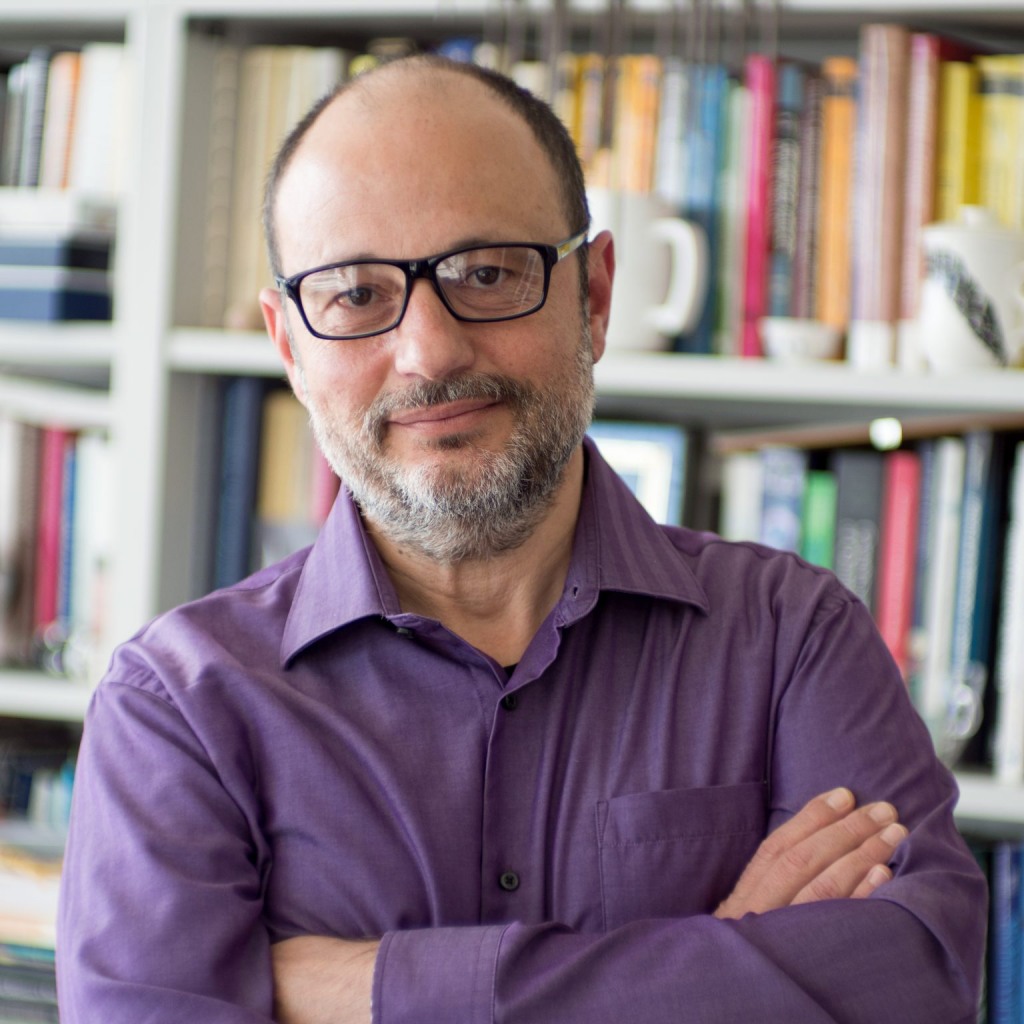
Vassily
Hatzimanikatis
École Polytechnique Fédérale de Lausanne
Chemical Engineering & Bioengineering
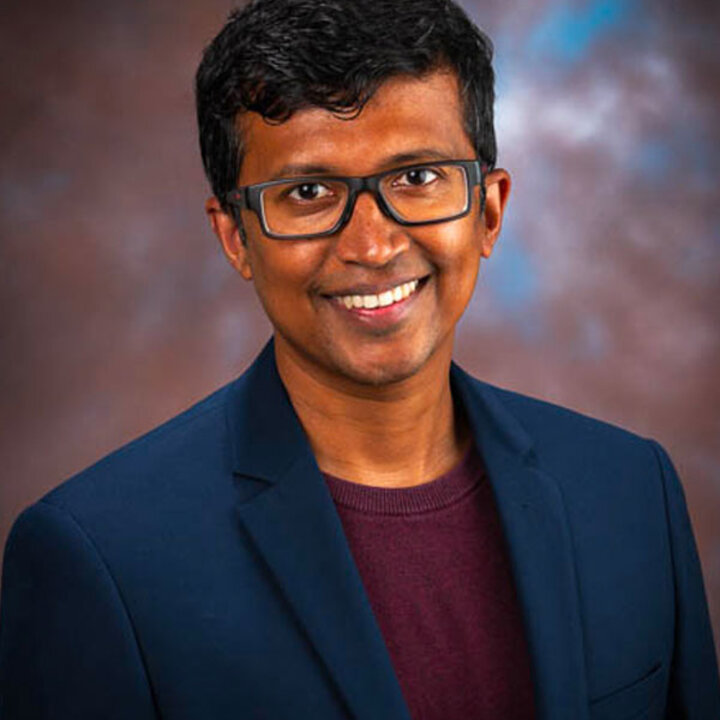
Rajib Saha
University of Nebraska-Lincoln
Chemical & Bimolecular Engineering
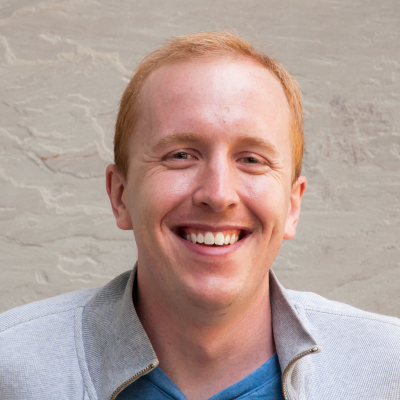
Daniel
Zielinski
University of California – San Diego
Gene regulation & metabolism
Jean-Loup Faulon
University of Manchester and INRAE
Building & Scaling SynBio Solutions
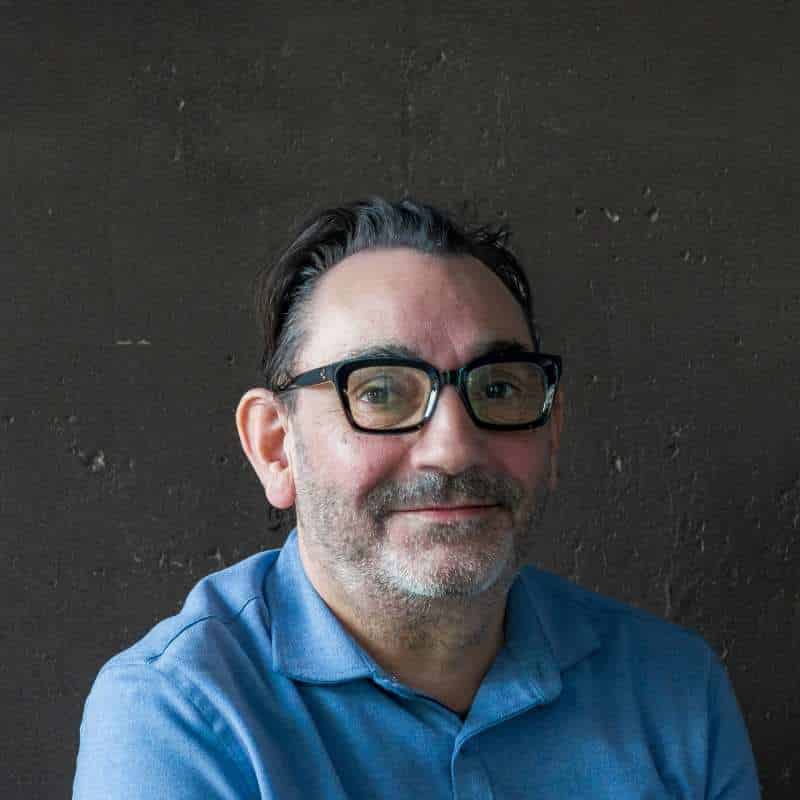

Douglas Allen
Danforth Plant Science Center
Ines Thiele
University of
Galway
Molecular Systems Physiology
additional invited speakers are:
Patrick Victor Phaneuf, Jason Papin, Zahra Razaghi-Moghadam, Andreas Dräger, Sophie Colombie, Nadine Töpfer, Safak Yilmaz, Philipp Wendering, Maria Zimmermann, Hyun Uk Kim
About The Event Organizer
COBRA2026 is shaped by Prof. Dr. Zoran Nikoloski and the core group of the organizing committee with world-renowned experts in plant science, AI, and metabolic modelling, including: University of Potsdam / Max Planck Institute of Molecular Plant Physiology, Germany, University of San Diego, California, USA, and King’s College London, UK.
The organizing committee views COBRA2026 as a forum where methodological advances are discussed in parallel with industrial developments that bridge microbial and plant biotechnology. The strong emphasis on AI will also prioritize topics related to the access and use of curated high-throughput phenotyping data. Therefore, COBRA 2026 is also expected to stimulate exchange with the German research data infrastructure (NFDI) in life sciences and other similar international efforts.
Co-organizers
- Anika Kueken (University of Potsdam, Germany)
- Alia Benkhala (BIMS, Tunisa)
- Caroline Baroukh (INRA, France)
- Eivind Almaas (NTNU, Norway)
- Paul Jensen (University of Michigan, USA)
- Adil Mardinoglu (King’s College London, UK)
- Sang Yup Lee (KAIST, South Korea)
- Bernhard Palsson (UCSD, USA)
Contact
Book Your Participation Now!
Be part of the 10th Conference on Constraint-Based Reconstruction and Analysis (COBRA2026). This landmark event will bring together leading scientists and emerging researchers to advance the field of constraint-based modeling. Expect cutting-edge presentations, vibrant discussions, and valuable networking opportunities across disciplines. The deadline for registration & abstract submission: we accept late registrations and poster abstract submissions. Registration for participation is possible until the first day of the event.
Register now and join the community shaping the future of systems biology.
Please note: Registration and event sign-up are two separate steps. Creating a ConfTool account (registration on the platform) is only the first step. To actually take part in COBRA2026, you also need to log in and select “Register as Participant” within ConfTool. Your participation is only confirmed once both steps have been successfully completed.
Venue
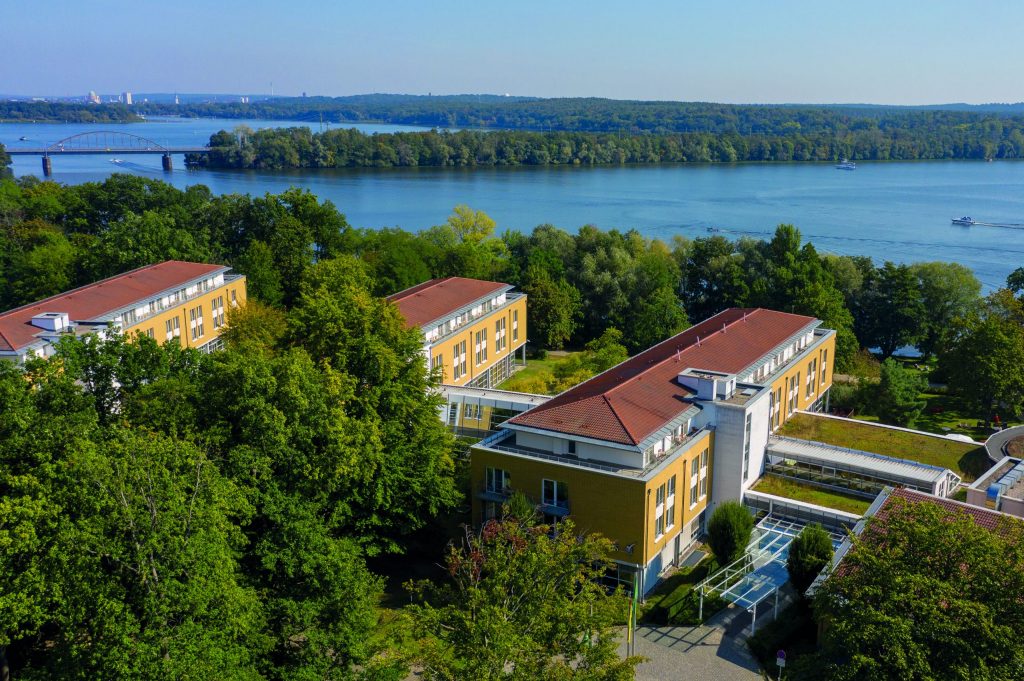
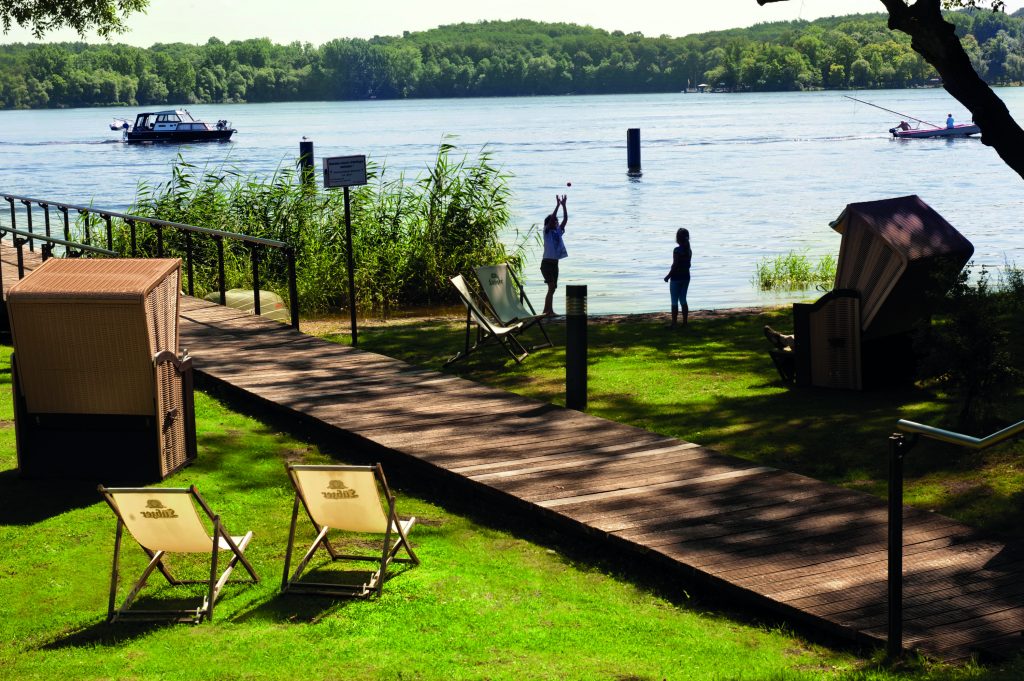
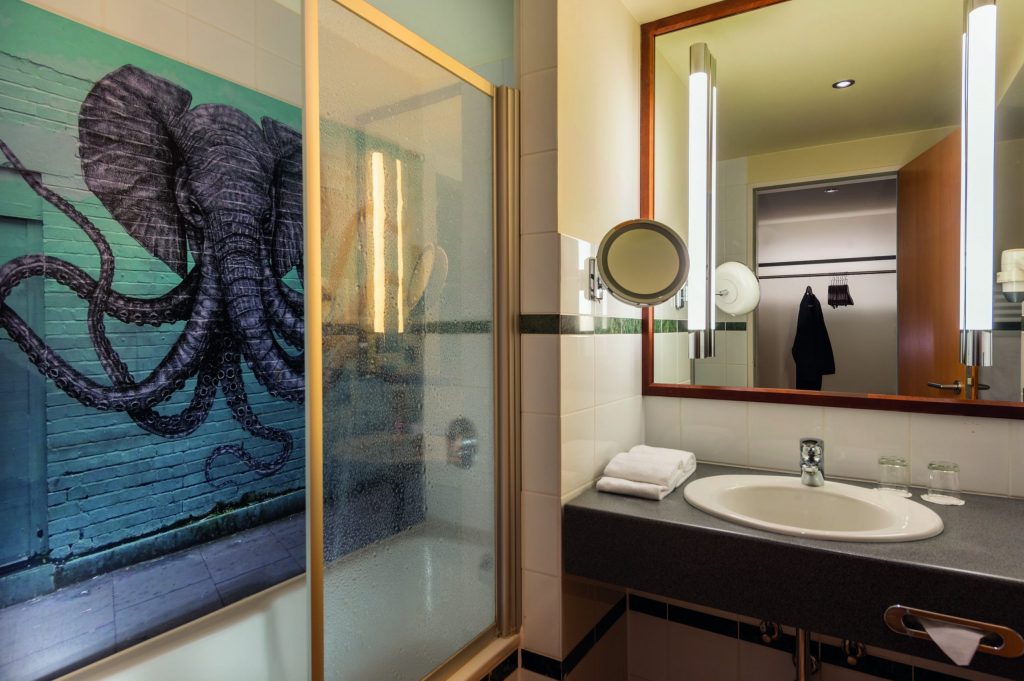
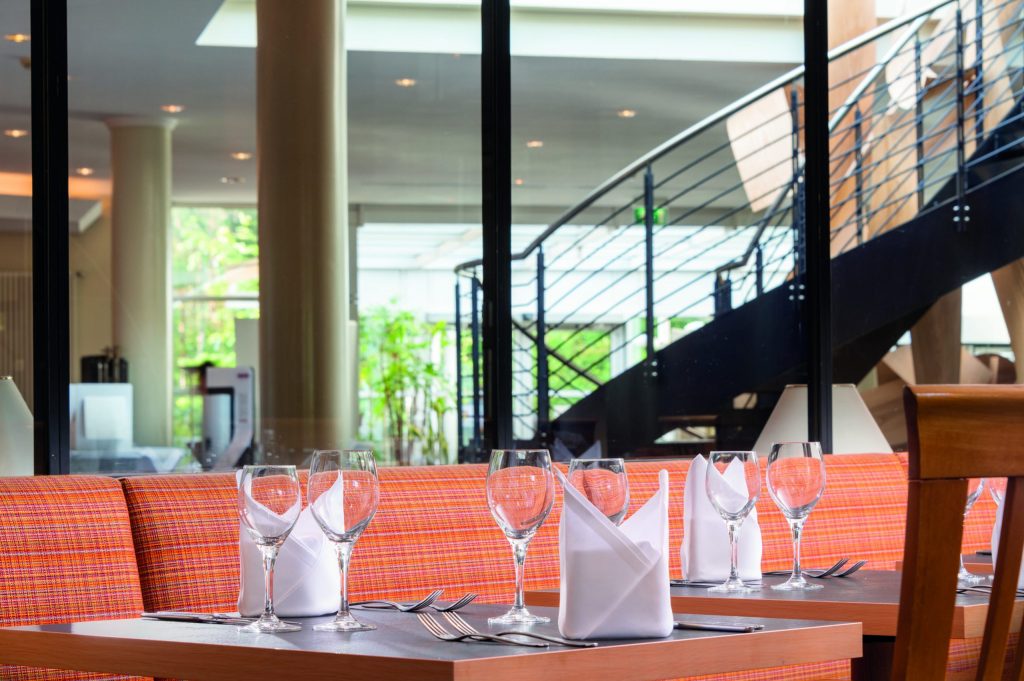
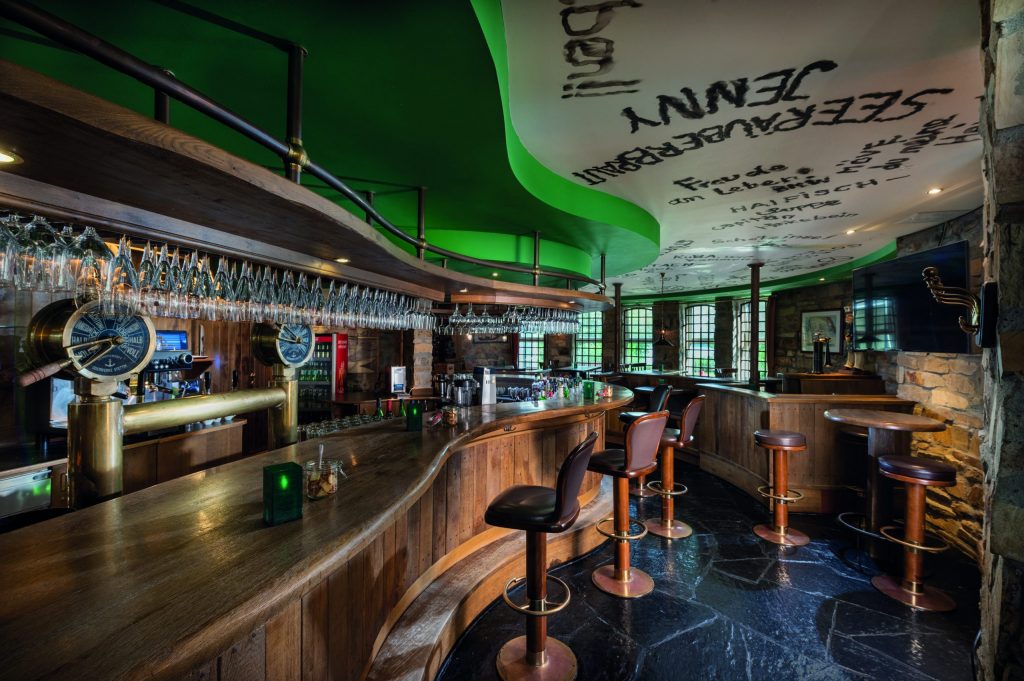
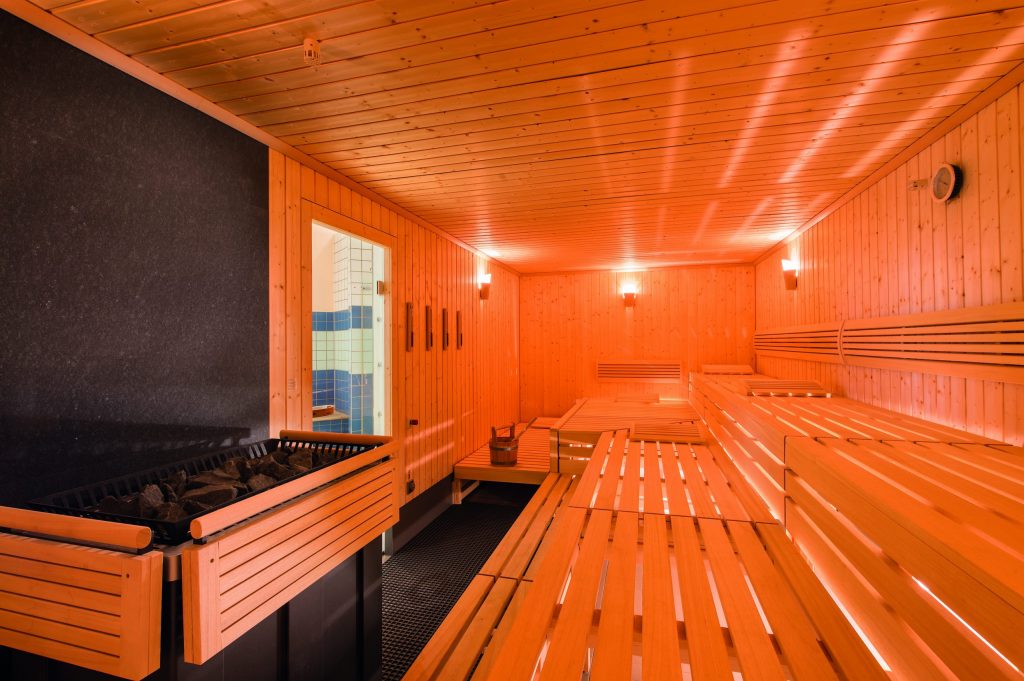
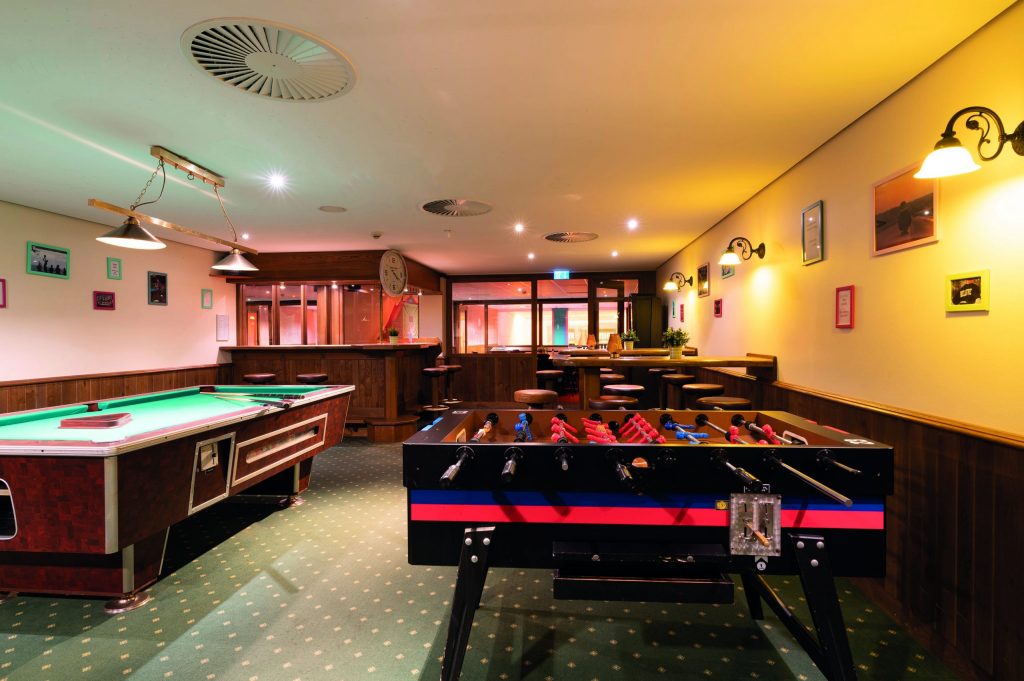
The conference venue, the SeeHotel Potsdam is unique in many ways: Located just outside Potsdam, nestled in the charming forest and lake landscape of Pirschheide, in the immediate vicinity of the famous world heritage Sanssouci Park and directly on Lake Templin, the hotel impresses with its modern flair, innovation, and meticulous attention to detail. A tram and bus stop and the Pirschheide train station, with connections to the city center and Potsdam Central Station, are just a few meters away.
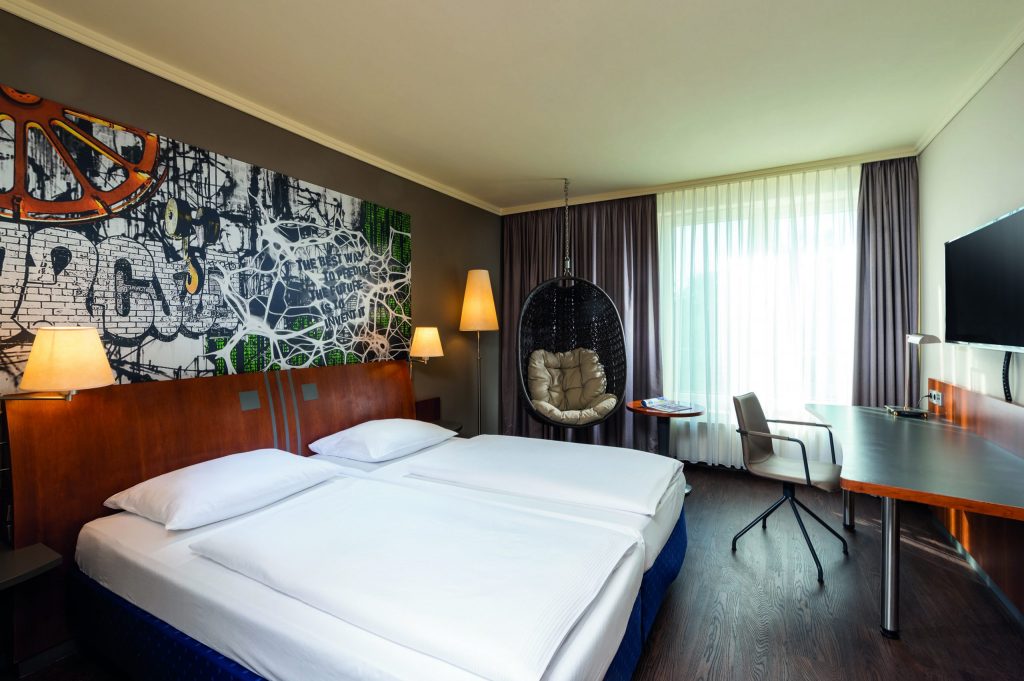
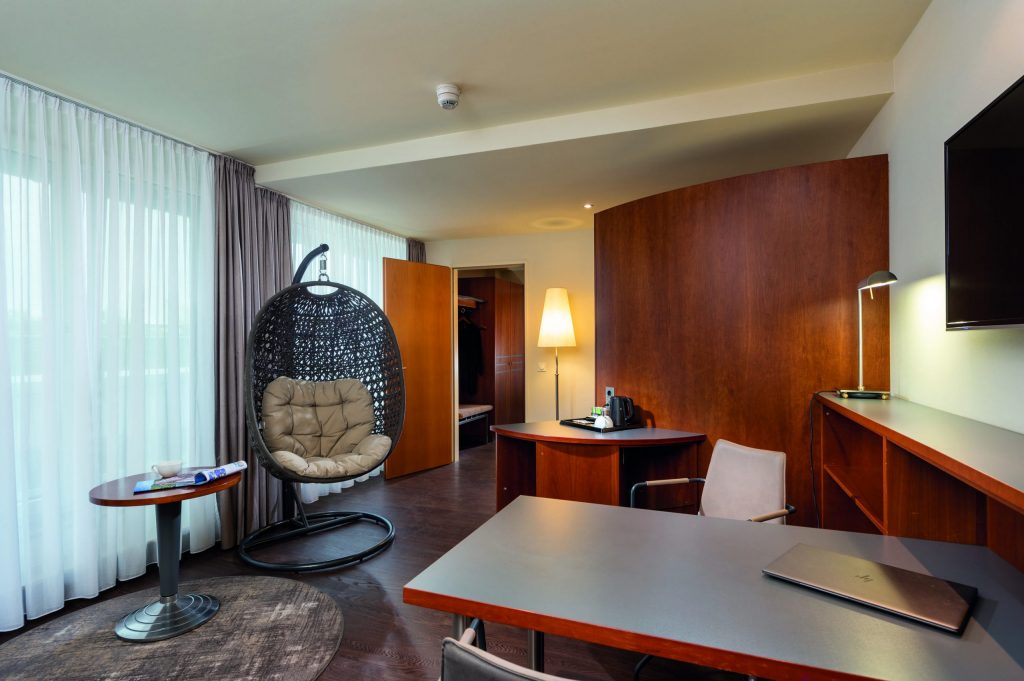
A number of rooms could be reserved for the conference participants at a reasonable rate – please use the following reservation form for further details.
We strongly urge all interested participants to book rooms way in advance, preferably till January 2026.
Directions
Arrival BER airport Berlin (~35min): Take the regional train RB22 directly from BER Airport to Potsdam Pirschheide. From there, use the exit “An der Pirschheide” and follow the clearly signposted path to the hotel (about 10 minutes walk).
Arrival Potsdam Hauptbahnhof (Potsdam main station ~30min): Take tram line 91 or 98 toward Pirschheide and get off at“Pirschheide Bahnhof”. From the tram stop, walk to the regional train station and use the exit “An der Pirschheide”. From there, follow the clearly signposted path to the hotel. The walk takes about 10 minutes.